

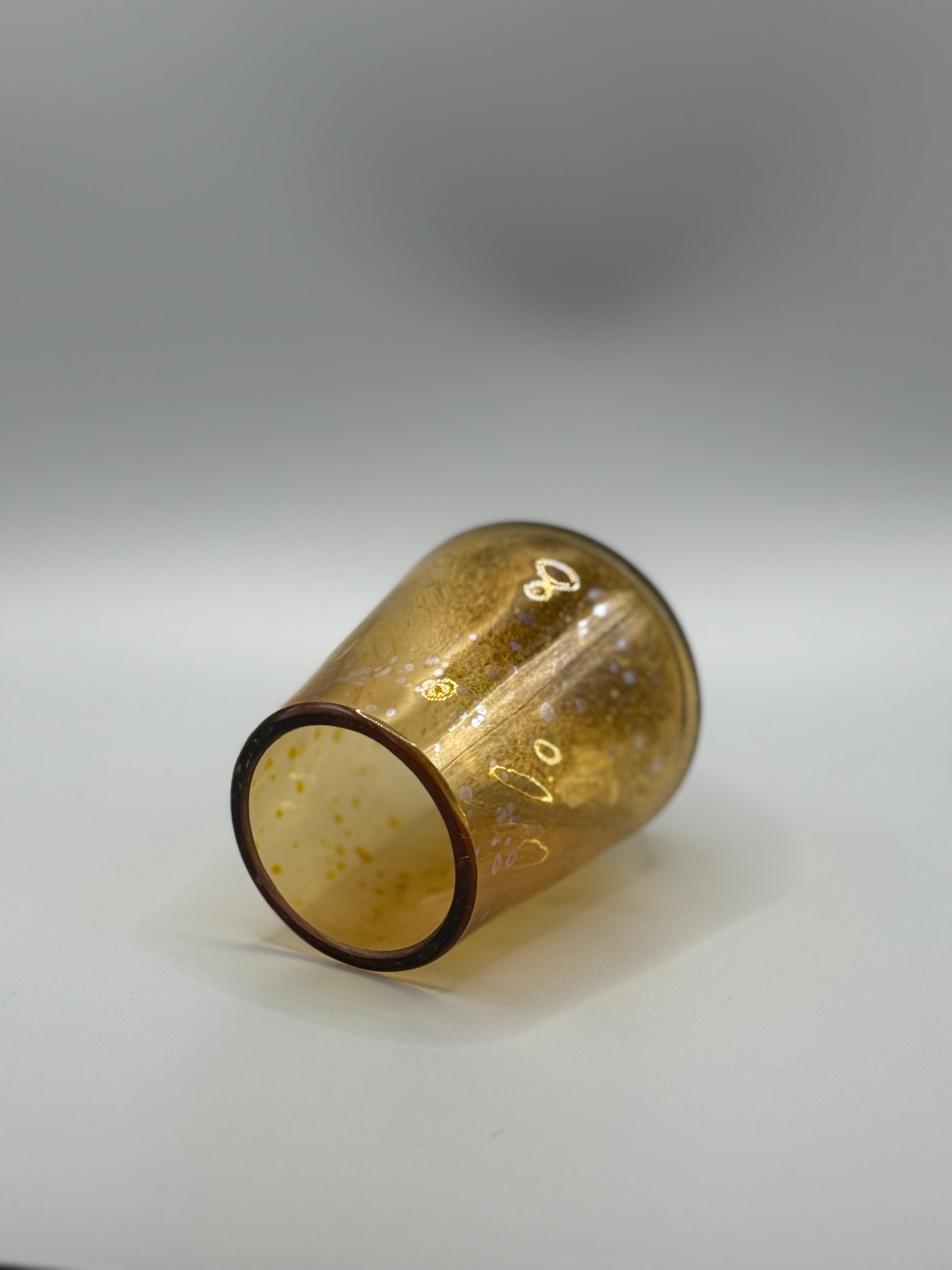
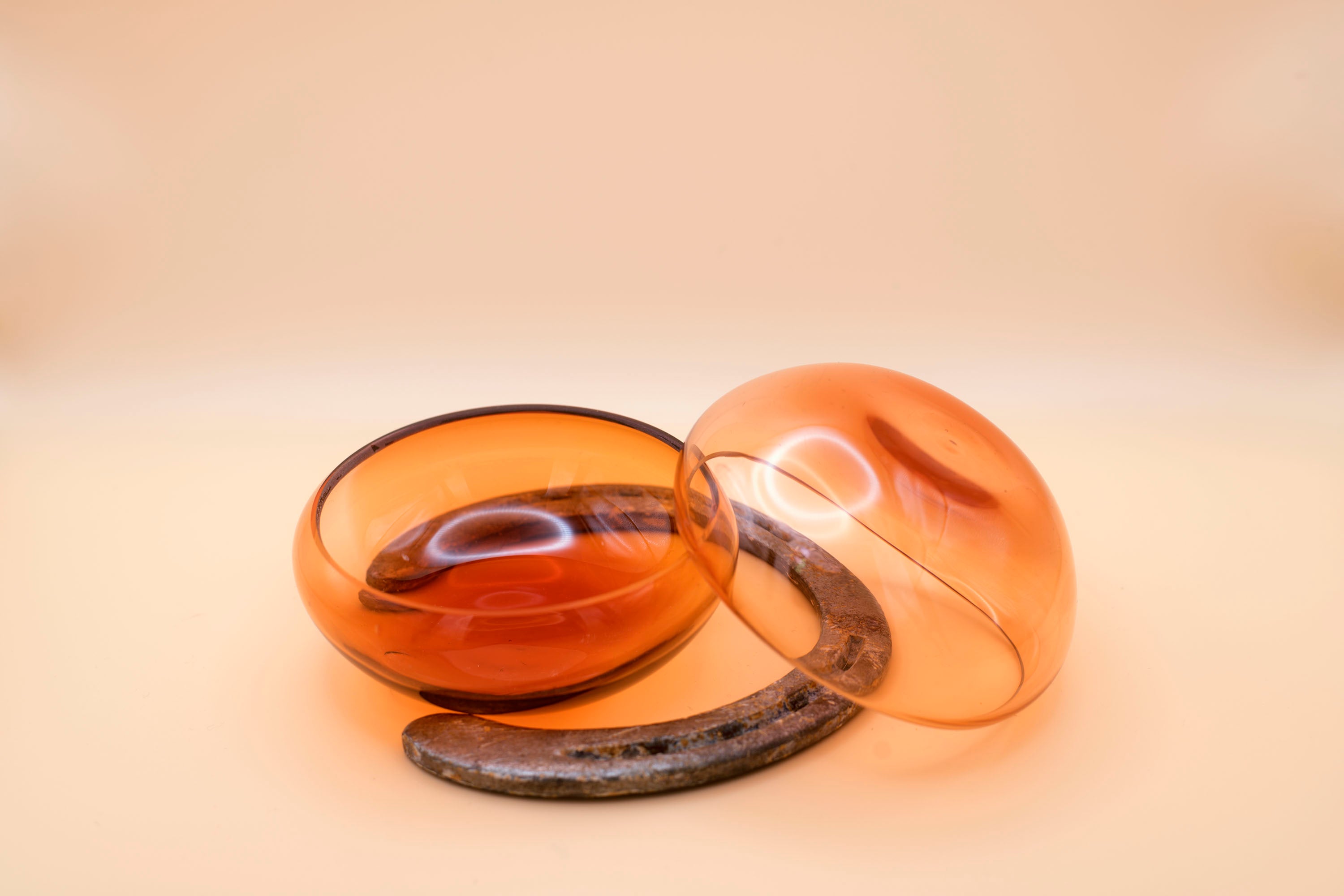
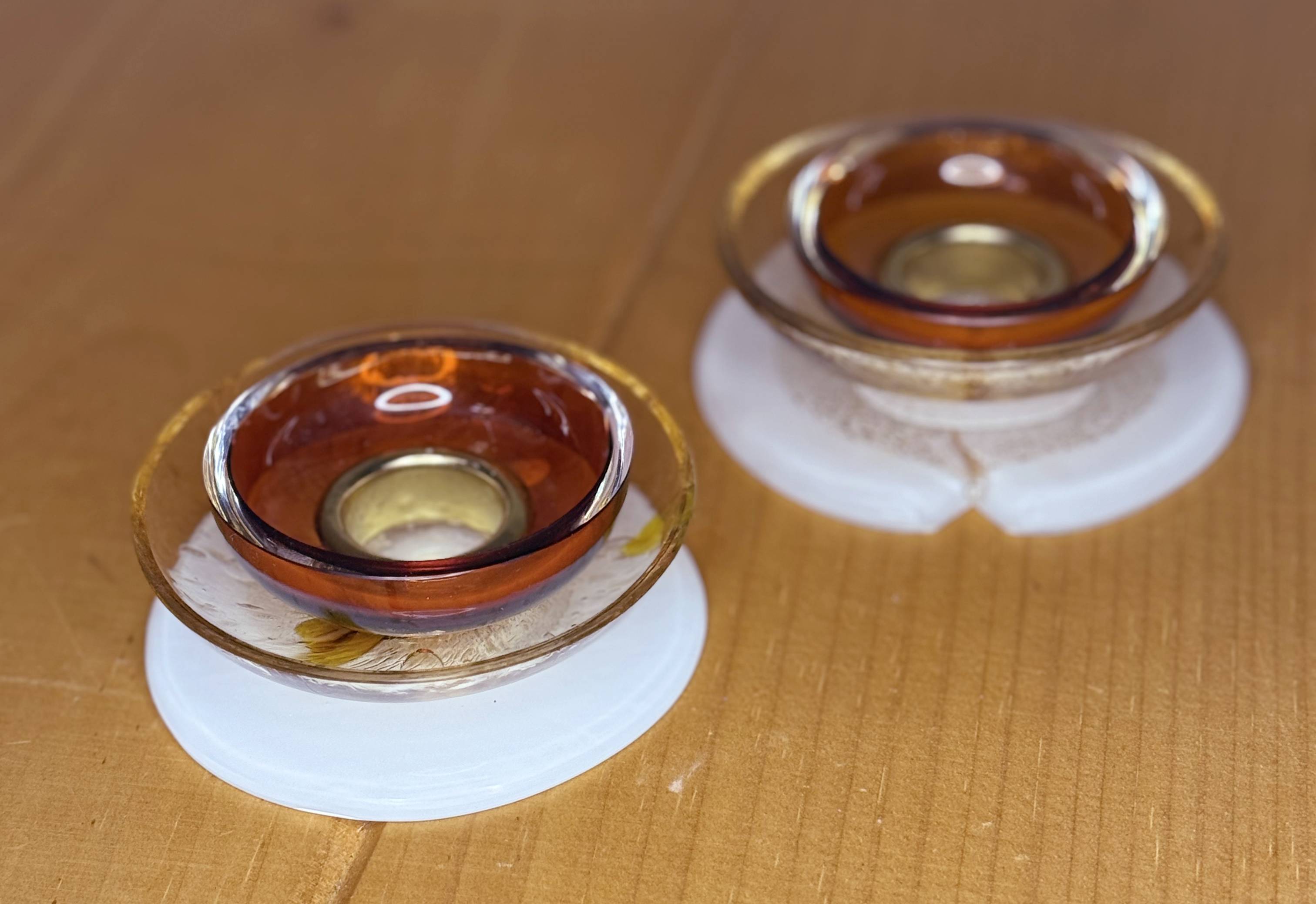


We have been busy making our very own Horseshoe candles and we thought it would be fun to share the inspiration for them. Horseshoes have captured human fascination for centuries, becoming one of the most recognizable symbols of good fortune throughout many different cultures and across continents. But where did this association with luck come from, and what makes a simple piece of iron so meaningful? The answer lies in a rich tapestry of history, folklore, and cultural tradition.
The Historical Origins
The horseshoe's journey to becoming a lucky charm began in medieval Europe. Horseshoes were crafted by blacksmiths, who were highly respected craftspeople. Iron, the material used to make horseshoes, was considered precious and difficult to work with, giving horseshoes an inherent value. When a horseshoe wore out and fell from a horse's hoof, finding one was genuinely fortunate—it represented a valuable piece of metal that could be repurposed or sold.
Beyond practicality, iron itself held spiritual significance in many European cultures. It was believed to have protective properties and the ability to ward off evil spirits and witchcraft. There is a myth that iron burns fairies when they are touched, warding off those who oppose the human world. A horseshoe, being made of iron and shaped in a curve, became a natural talisman for protection and prosperity.
Religious and Spiritual Symbolism
In Christian tradition, the horseshoe's crescent shape was associated with the symbol of the Virgin Mary, adding a layer of spiritual protection to the object. The curve was also seen as a symbol of an open hand, ready to receive blessings. Some traditions held that hanging a horseshoe above a doorway would catch good fortune as it passed through, while preventing negative energy from entering.
The number of nails in a horseshoe—typically seven—also carried significance in numerology, as seven is considered a lucky number in many cultures. This added another dimension to the horseshoe's mystical appeal in contemporary times.
One old traditional story dated to the 10th century, Saint Dunstan was said to have shod the Devil himself. Legend goes that Saint Dunstan either drove a nail through the frog of the Devil's hoof or applied a white hot horseshoe to his hoof which caused a lot of pain to the Devil. After that incident the Devil vowed to stay away from horseshoes so they were placed above doorways and windows.
How to Tell How Old a Horseshoe Is
The suggestion of luck "falling out" of the horseshoe is a more recent development in folklore history. Developed during the Victorian era that good luck itself is in reference to stave away the devil and the meaning had softened with time and so now we think of the luck falling out on to you or landing on you.
Dating a horseshoe is based off a couple key details. These characteristics are especially true if the horseshoe in question is in an Irish or English building. First, looking at the toe of the horseshoe, if there is a toe clip it is at least from the mid to late 19th century. So if it doesn't have a toe clip it could be older but not necessarily a dead giveaway sign. Second, the shape of the horseshoe changed over time to better match the horses hooves which meant farriers had to smith them by hand. Older horseshoes tended to utilize six nails versus the modern horseshoes using seven or eight holes.
Cultural Variations Across the World
Different cultures have embraced the horseshoe symbol in unique ways. As mentioned before in Irish folklore, the horseshoe is deeply connected to Saint Dunstan, a blacksmith saint who supposedly nailed a horseshoe to the devil's foot, earning the object its protective reputation. Irish immigrants brought this tradition to America, where it became embedded in popular culture.
There is a long history of iron being the material used to make horseshoes. The Latin word for iron is Ferrum which is where the word Farrier comes from. Farriers have always been a very important role to horse care by taking care of their hooves and being on-the-go blacksmiths.
In some Asian cultures, the horseshoe shape mirrors the symbol for good fortune and prosperity, though the horseshoe itself is less common in these regions. In Middle Eastern traditions, horseshoes were valued for their connection to horses, animals that held great cultural and economic importance.
The Symbolism Today
Modern interpretations of the horseshoe symbol have evolved, but the core meanings remain consistent. A horseshoe typically represents:
- Good luck and fortune — the primary association that has endured through centuries
- Protection — from harm, negativity, and misfortune
- Prosperity — abundance and financial success
- Safe travels — particularly for those who work with horses or travel frequently
- New beginnings — the curve suggesting an open door to opportunity
How to Display a Horseshoe
Tradition holds that the way you display a horseshoe matters. Hanging it with the opening facing upward is believed to catch and hold good luck, like a cup collecting blessings. Conversely, older traditions suggest hanging it with the opening downward allows luck to flow out and distribute to those around you. Either way, the intention behind displaying it is what truly matters.
Whether you believe in the superstition or simply appreciate the horseshoe as a charming piece of history and folklore, there's no denying its enduring appeal. From medieval blacksmith shops to modern homes and businesses, the horseshoe continues to symbolize hope, protection, and the universal human desire for a little extra luck in life.